About Light Language
What Is Light Language?
Light language is a form of intuitive expression that uses sound, symbols, movement, writing, or vocalization to communicate emotion, energy, intention, or inner experience beyond conventional spoken language. People describe it as a spontaneous form of communication that feels channeled, inspired, or deeply intuitive rather than consciously constructed.
Unlike traditional languages, light language does not follow standard grammar rules, sentence structure, or agreed-upon vocabulary. It may appear as spoken sounds, singing, hand movements, written symbols, drawings, or even dance-like motion. Some people experience it privately during meditation or spiritual practice, while others use it in group settings, energy work, art, or personal reflection.
At its core, light language is less about literal translation and more about experience.
A Modern Spiritual Practice
The term “light language” became more widely known through New Age and metaphysical communities in recent decades, although similar practices have existed throughout human history. Many spiritual traditions include forms of ecstatic speech, chanting, sacred sound, symbolic writing, trance communication, and intuitive expression.
Today, light language is often associated with:
Meditation and mindfulness
Emotional release
Energy healing practices
Creative expression
Spiritual exploration
Nervous system regulation through sound and breath
Intuitive development
People who practice light language may believe the sounds or symbols come from the subconscious mind, higher consciousness, intuition, collective archetypes, or spiritual connection. Others approach it from a psychological perspective, viewing it as a creative and meditative state similar to improvisational music, automatic writing, or flow-state expression.
There is no single explanation accepted by everyone.
Different Forms of Light Language
Light language can show up in several ways:
Vocal Light Language
The most recognized form involves speaking or singing sounds that do not belong to a known human language. The sounds are often rhythmic, emotional, melodic, or repetitive. Some people describe the experience as spontaneous and emotionally releasing.
Written Light Language
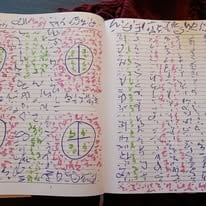
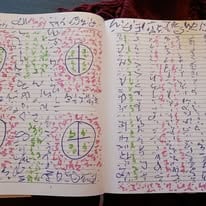
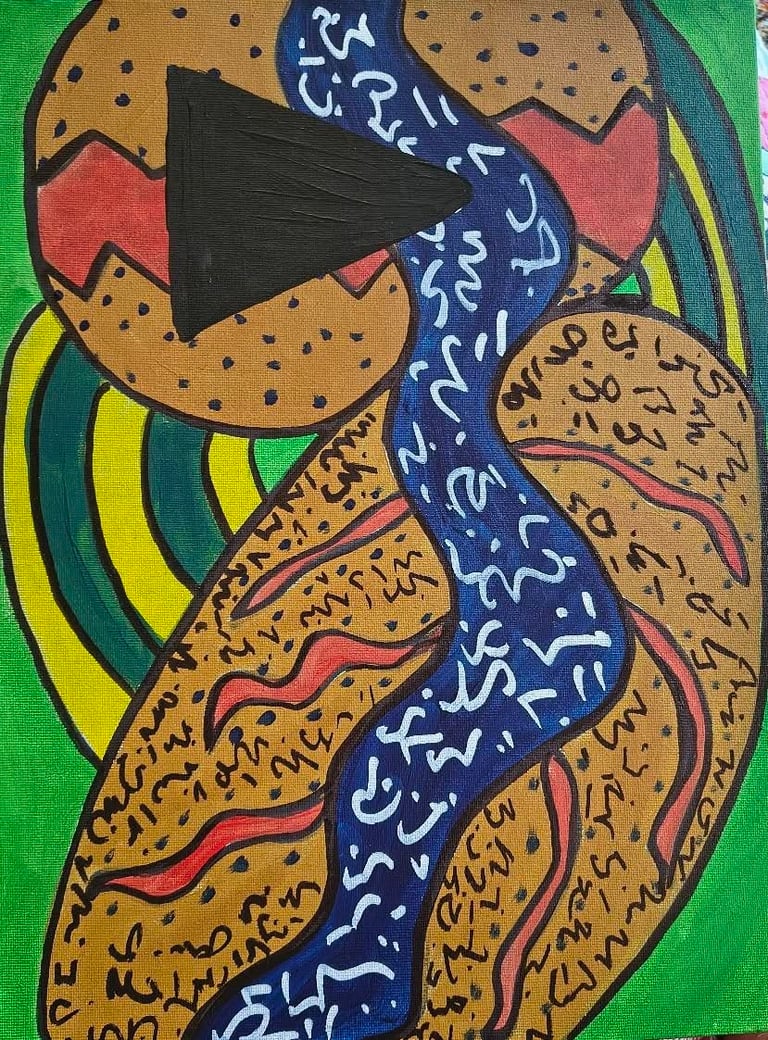
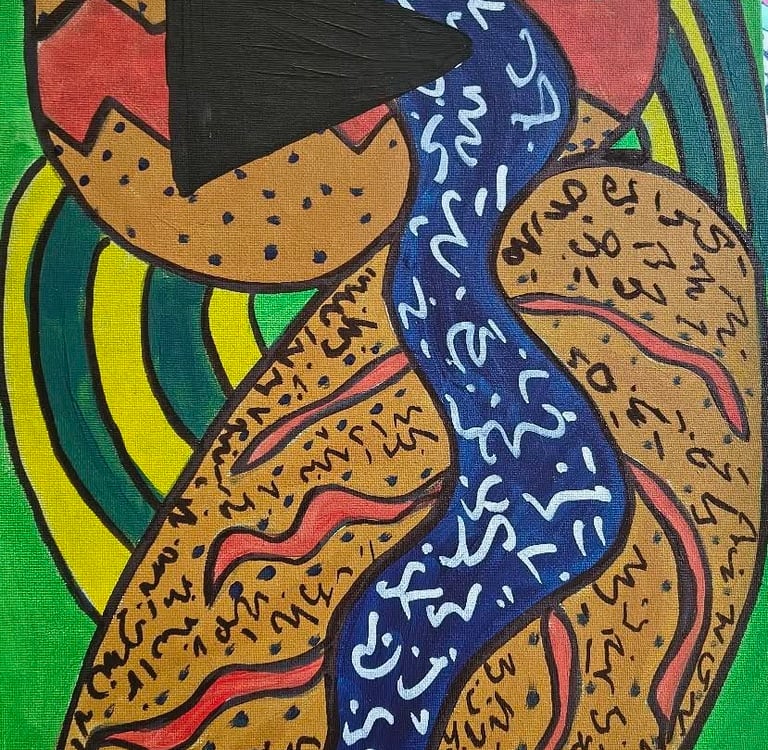
This includes symbols, glyphs, drawings, or flowing scripts created intuitively. These writings are typically not meant to be translated word-for-word. Instead, they are viewed as symbolic or energetic forms of communication.
Movement-Based Expression
Some people experience light language through hand motions, dance, mudras, or body movement. The body becomes part of the communication process.
Musical or Tonal Expression
Toning, humming, chanting, and intuitive singing are also commonly connected to light language practices because of the way sound can affect mood, emotion, and focus.
Why People Practice It
People are drawn to light language for different reasons. Some use it as a personal spiritual practice, while others see it as a creative or emotional tool. Common reasons include:
Feeling emotionally blocked or disconnected
Seeking a meditative state
Exploring intuition
Releasing stress or stored emotion
Enhancing creative flow
Developing a deeper sense of self-awareness
Experiencing relaxation through sound and breath
For many practitioners, the value is not in proving where it comes from, but in how it makes them feel.
Skepticism and Interpretation
Light language is not scientifically proven as a supernatural or universal language. Experiences are subjective and interpreted differently depending on personal beliefs, spiritual background, and worldview.
Skeptics may view it as glossolalia, improvisation, subconscious patterning, or emotional expression. Practitioners may experience it as meaningful, healing, spiritual, or transformative. Both perspectives exist, and neither cancels out the personal experience someone may have with the practice.
A grounded approach is to view light language as an exploratory tool rather than a system requiring belief.
A Personal Experience Rather Than a Defined System
There is no governing authority, official dictionary, or standardized method for light language. No two people experience it exactly the same way. Some individuals practice regularly, while others encounter it unexpectedly during meditation, creativity, emotional healing, or periods of personal transformation.
Whether viewed as spiritual communication, intuitive creativity, symbolic expression, or emotional release, light language remains a deeply personal experience centered on sound, feeling, intention, and connection.
Explore the MyLight Language Family
connect@mylightlanguage.com






Legal
© 2025. All rights reserved.
Accidental Gridworker,
@ MyLightLanguage
Old Wives
Tales
Dream
Dictionary
Crystal
Meanings
AccIDENTAL GRIDWORKER